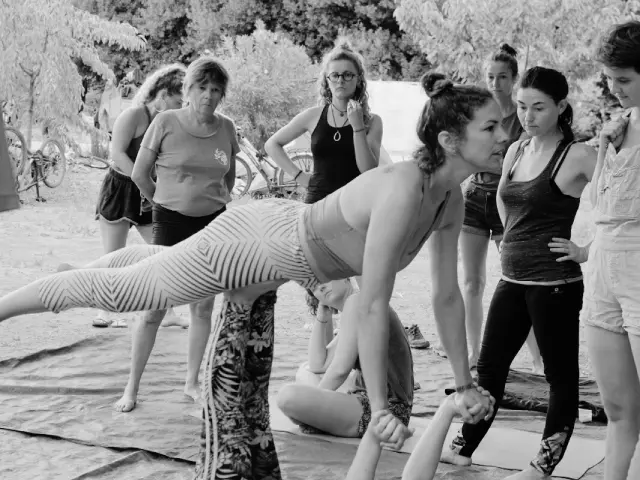
Awareness workshops
Playful physical workshops that open up consent and discrimination with young people and adults alike.
Find out more : Awareness workshops
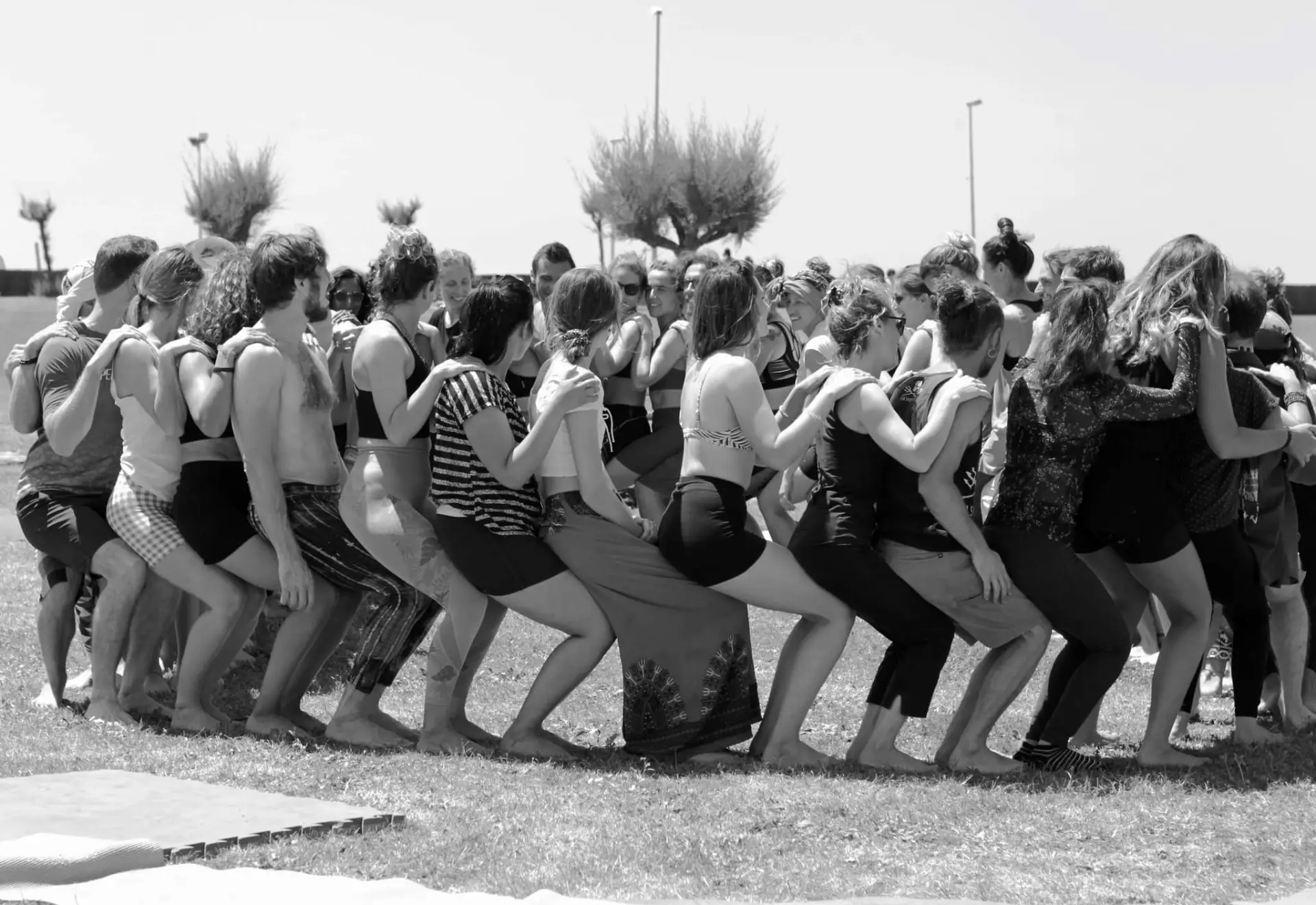
Physical practice is a source of fulfilment and well-being. It should be open to everyone, safely. And yet:
1 child in 7
is thought to experience sexual violence in their sporting activity before turning eighteen.
10 women
work as high mountain guides in France, against more than 1,500 men.
73%
of LGBT people in France have witnessed homophobic or transphobic behaviour in their sporting environment.
During a weekend away for a sports event, my teacher pushed to train late into the evening, then gave me a massage I had not asked for and tried to kiss me.
I feel uncomfortable every time I sense that I am being assigned to the stereotype of men as strength and women as passivity and the wish to please.
A man I was practising with made a remark in front of the group: “I cannot concentrate, she has such a nice chest.” I was shocked, it was completely out of place.
I was young and new to the group. I felt I would not be accepted unless I pushed past my limits, and that led to an injury.
Extracts from the survey “Taboos in acroyoga” (2023)
Despite how often these accounts recur, we keep believing in a society where everyone is aware of relations of domination, of the discrimination and violence that follow from them, and takes part in building an environment where all can flourish.
That is why we run awareness workshops, training courses and resources, giving people and organisations the understanding and the tools to counter discrimination and violence.
The next updates are on their way.
Playful physical workshops that open up consent and discrimination with young people and adults alike.
Find out more : Awareness workshops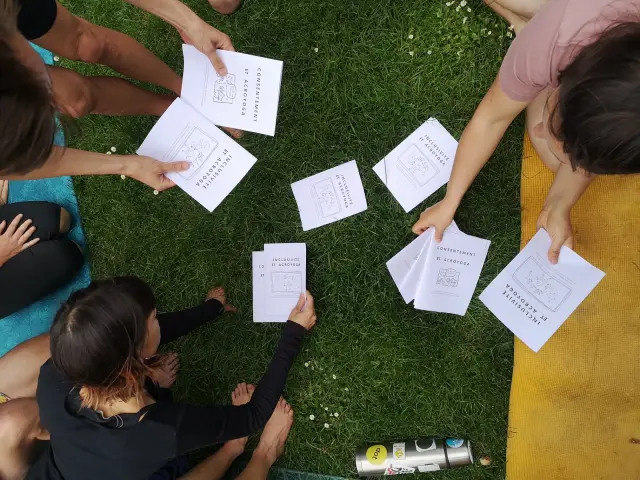
You work in sport or youth work and want a culture of consent to live inside your activities? Here are our tools.
Find out more : Awareness and training in sports settings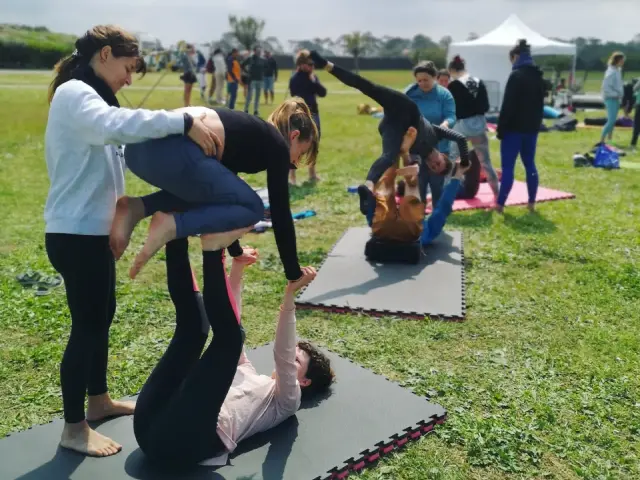
Workshops open to all, growing the skills of living well together within a group through movement and sport.
Find out more : Consent and inclusivity through movement and acroyoga
Practitioners and teachers, let us keep the ethics of acroyoga alive and open spaces to talk about how the practice evolves.
Find out more : Acroyoga en Question collective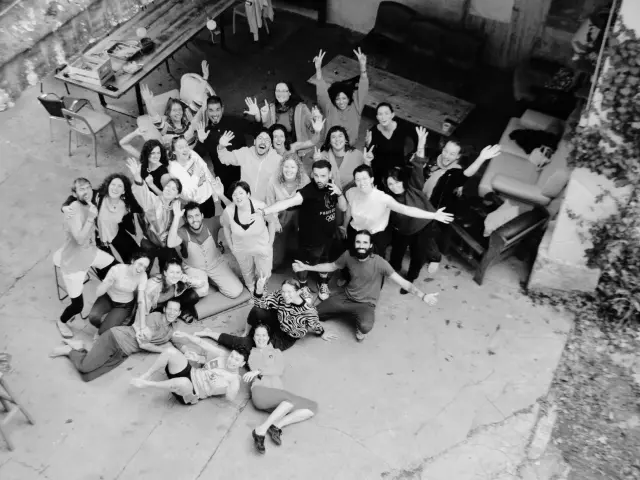
A rare chance to share what we know and keep European values alive with a multicultural group.
Find out more : Erasmus+ programme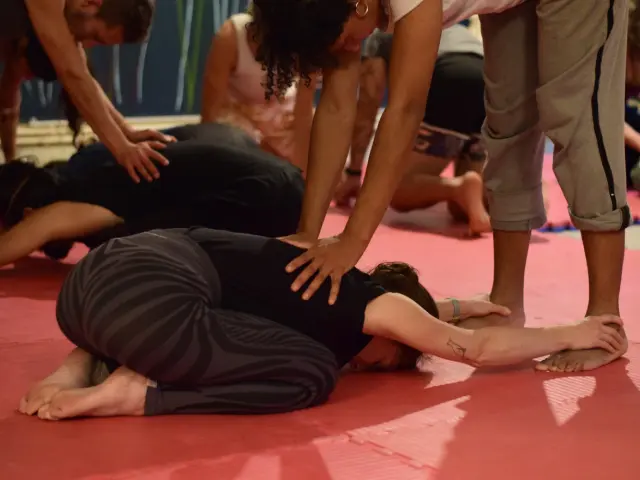
Physical practice does the body and the mind good. Let us make it reachable for people in vulnerable situations.
Find out more : Social outreachWe use participatory teaching and non-formal education tools, leaving room for discussion and time for realisations to land, with social transformation in mind.
We also believe in learning by experience. That is why we draw on our expertise in movement practices (acroyoga, yoga, Thai massage) to design sessions that alternate between conversation and physical practice.
Tatami Talks takes on the problems built into the acroyoga and acrobatic partner community head-on. Through the questions the association puts to us, more room is given to respect, to freedom and to joy in the practice.
After the training, I saw changes in how some participants behaved. The session made them aware of the dynamics at play in teaching and leading activities. That is the first step towards change, individual first, then possibly societal.
A letter now and then, no address ever sold, one-click unsubscribe.